Does Gen Z even need your brand? How a brand should build trust and loyalty among Gen Z audiences
Branding
·
Communication
·
·
4 min

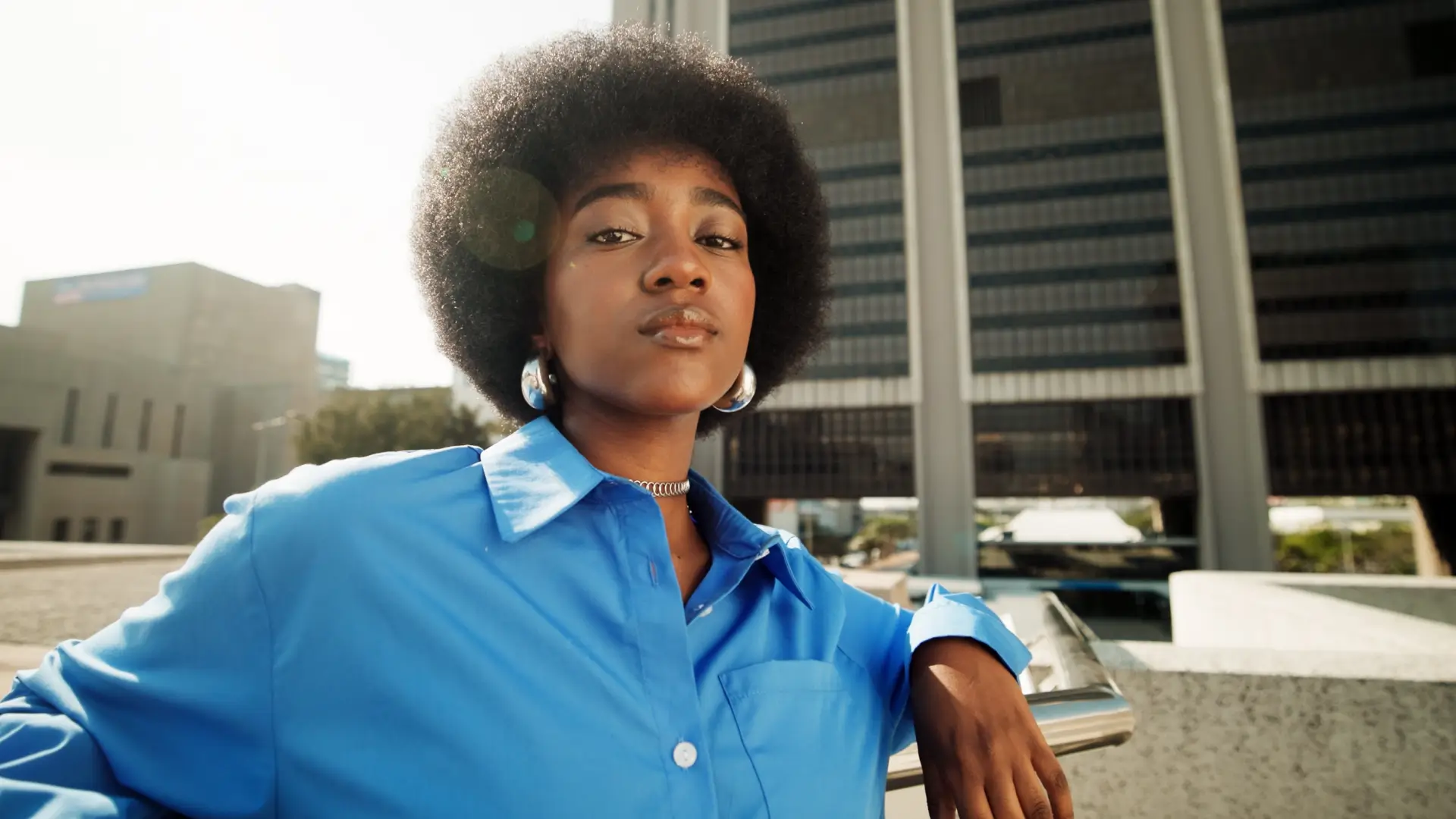
Generation Z and Brand Loyalty – How to Win the Hearts of "Gen Z"?
Research clearly shows that representatives of Generation Z are non-homogeneous, dynamic, and difficult to pigeonhole. They challenge the rules, question patterns, believe in their ideas, and fight to make them reality. They focus on individualism, rejecting labels and rigid frameworks. Therefore, they do not need brands at all to build their own identity. So how do you win their trust and make them want to become loyal customers?
Why Does Generation Z Loyalty Matter So Much to Brands?
Growing economic power
Although "Gen Z" is still often spoken of as teenagers, the oldest people from this generation are already nearly 30 years old. By 2030, all of them will be of legal age, and in Poland, the 12–26-year-old group numbers 5.8 million people, which is 15.4% of the population. Importantly, more than half have their own source of income and make purchasing decisions independently.
New habits and market impact
Generation Z, raised in a digital world with phones and social media at the center of their daily lives, not only shapes trends but also creates their own language of communication. As they grow up, they will deepen these practices. Brands that quickly learn to navigate this world have a greater chance of gaining loyal fans.
Times full of uncertainty
The world is changing fast: pandemics, energy crises, inflation – all this increases the value of consumer loyalty. Brands that win the trust of Generation Z will gain more stable foundations and greater freedom to take innovative actions.
Is"Gen Z" Even Loyal to Brands?
It is not easy to keep them with you. Post-pandemic data indicates that up to 60% of young consumers have abandoned their favorite brands. The PwC Customer Loyalty Survey 2022, on the other hand, shows that 39% of them are eager to test new products and experiences.
At the same time, Generation Z shows loyalty in a different way than older groups. They are more likely to recommend their favorite brands to friends, share opinions, and engage in active dialogue with companies on social media.
How to Build Generation Z Loyalty?
1. Authentic Brand DNA
It is not without reason that "Gen Z" is referred to as the True Gen – authenticity is their foundation. What matters is transparency, honesty, and originality. They appreciate brands that speak their language: with humor, distance, and sometimes irony.
A great example is Duolingo. Instead of "polite" communication, the language learning app relied on self-irony and humor – the Duo owl mascot became the hero of memes and jokes on social media. Today, this strategy gathers over 6 million fans on TikTok and almost a million on Instagram, creating a community that identifies with the brand.
2. Presence in Social Media – Not an Option, but a Necessity
For Generation Z, the smartphone is the center of the world, and social media is the main source of product knowledge. Crucially, they use different platforms in different ways. Google reports that nearly 40% of young people use TikTok and Instagram instead of a search engine to find information. Instagram is their "business card," Facebook is used more for organizing events, and TikTok is for entertainment and trends.
Therefore, brands must be present on multiple platforms, adapting content to the context. An example is set by Elf Beauty – a cosmetics company that, besides Instagram and Pinterest, was one of the first in the industry to start operating on Twitch, and later joined BeReal. On TikTok, it gained popularity thanks to the reality show "Eyes.Lips.Famous," and on BeReal – thanks to behind-the-scenes content and interaction with fans. This shows that experimenting with new channels can be the key to bonding with "Gen Z."

3. Ethics and Rewarding Gen Z Style
While not all young people are activists, many of them expect brands to support socially and environmentally important causes. As research by Mediahub and Pollster indicates, more than half of young people feel overwhelmed by the world's problems, but willingly support companies that take action in these areas.
Equally important is that instead of discounts or money, they prefer "priceless" rewards, unique experiences, or pro-social actions.
A good example is the H&M Conscious program. Customers receive points not only for purchases, but also for eco-friendly behavior – e.g., recycling clothes or using reusable bags. Such initiatives give a sense that participating in the program is more than just collecting discounts – it is co-creating a more sustainable future.
Summary
Generation Z are demanding consumers, but at the same time loyal to brands that know how to win their hearts. They are distinguished by:
openness to new things, but also willingness to engage in dialogue with brands,
strong expectation of authenticity, humor, and honesty,
living in social media, which requires the presence of brands across multiple channels,
sensitivity to social and environmental issues, combined with a preference for rewards in the form of experiences instead of discounts.
For brands, this means one thing – if they want to win the loyalty of tomorrow, they must invest today in strategies based on authenticity, ethics, and tailored communication.