Is it worth designing packaging to fit into global trends?
Branding
·
Sales - retail
·
·
4 min


We live in times where designers, marketers, and manufacturers must react to emerging trends faster than ever. Reports published every year analyzing changes in society, design trends, or innovations show how dynamically audience expectations are changing.
Consumers are looking for novelty and are eager to follow brands that understand their needs. According to the Accenture Song report "Coloring outside the lines," as many as 67% of consumers choose brands that are culturally relevant and respond to the changing realities of life. And according to McKinsey data, 70% of purchasing decisions are made at the store shelf (or on a phone screen), and the appearance and functionality of the packaging are among the main factors influencing this choice.
Who sets the trends?
A trend does not happen by accident. It is created, among others, by:
large market players (Apple, IKEA, Nike), who set standards in aesthetics
and functionality,global events and transformations (climate change, crises, political choices),
Design Week seasons (e.g., in Milan or London),
pop culture: TV series, memes, virals, influencers (e.g., the "Barbiecore" trend after the movie release in 2023),
industry media and trend curators – such as infuture.institute founded by Natalia Hatalska, Lidewij Edelkoort, Dezeen, Dwell.
As noted in an article published by Dwell, "Who Decides What Design Trends Will Dominate Each Year?", trends emerge as a response to the emotional needs of society and evolve through media, experts, and opinion leaders.
Long-term vs. temporary trends: how to tell them apart?
Not all trends are created equal. Some will stay with us for years (e.g., sustainability, inclusivity, digital minimalism), while others will pass within a season (e.g., glitter gradients or brutalism in UI).
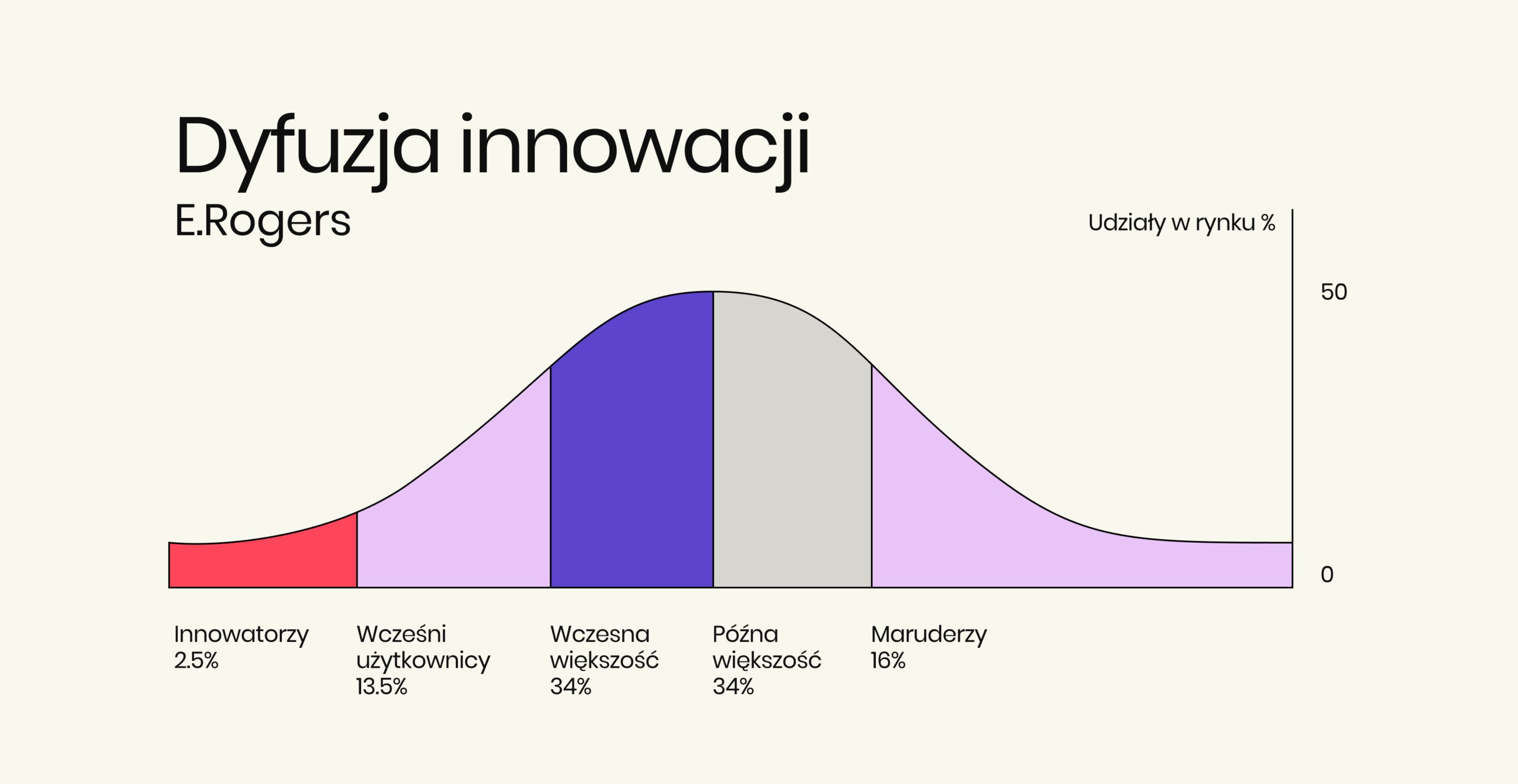
According to Everett Rogers' diffusion of innovations theory, trends go through phases:
innovators → early adopters → early majority → mainstream.
The longevity of a trend depends on several criteria:
Criterion What to observe? Functionality Does it solve a real consumer problem? Rooting Does the trend stem from culture, technology, or demographic shifts? Industry scope Does it appear in multiple sectors at once (fashion, technology, FMCG)? Opinion leaders Are the biggest players adopting the inspiration? Data confirmation Is it featured in reports (WGSN, McKinsey, iF Design)? Investments Are companies developing products aligned with the trend? Evolvability Can the trend change and adapt to a new context?
Trends and packaging design
In packaging design, trends function as a visual communication tool. Thanks to this, packaging can catch the eye, but also show that the brand is keeping up with changes.
Visual trends – colors of the season, popular typefaces, or graphic layouts – allow brands to refresh their image and make the product stand out on the shelf. An example is dopamine design – an interior design trend (but not only!) characterized by bold colors and an optimistic message, which also appears in packaging aimed at younger audiences, such as functional drinks, cosmetics, or plant-based dishes.
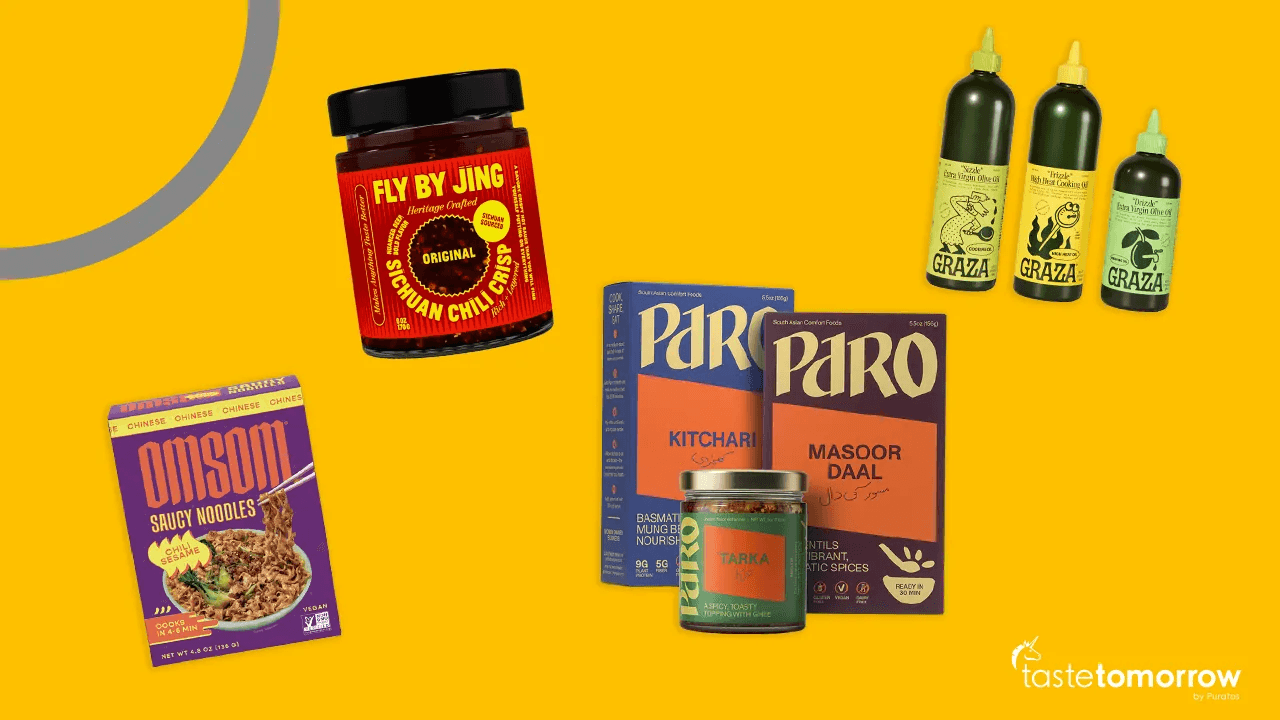
Source: https://www.tastetomorrow.com/inspiration/food-packaging-is-going-maximalist-thanks-to-the-dopamine-design
Social and technological trends - can influence the form of the packaging; its structure, used raw materials, size, and functionality. The growing interest in reusable packaging or biodegradable materials is a response to the expectations of consumers, for whom sustainability is no longer an option, but a necessity.
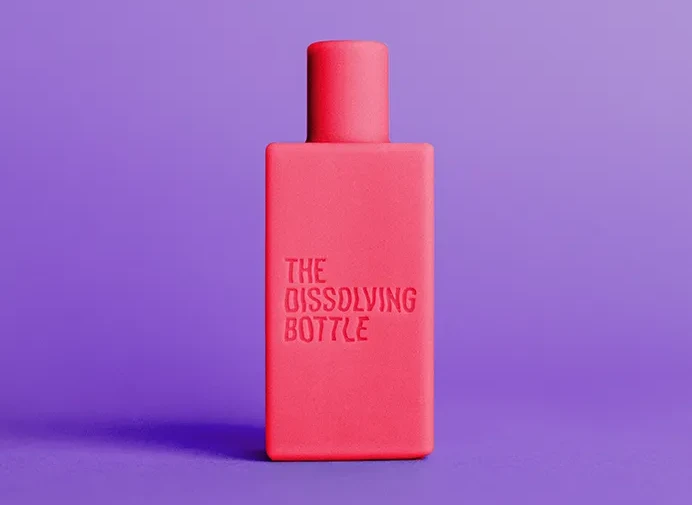
Source: https://plainb.de/en/products/the-dissolving-bottle-shampoo-volume
Communication trends – such as inclusivity, authenticity, or locality – influence the language, tone, and narrative on the packaging. Increasingly, packaging becomes a carrier of values and stories that engage the consumer even before purchase.
An example? Tony’s Chocolonely with its simple layout and fair trade manifesto, or cosmetic brands like YOPE, which build a relationship with the audience using direct, warm communication and offer eco-friendly solutions, such as refill packaging with reduced plastic content.
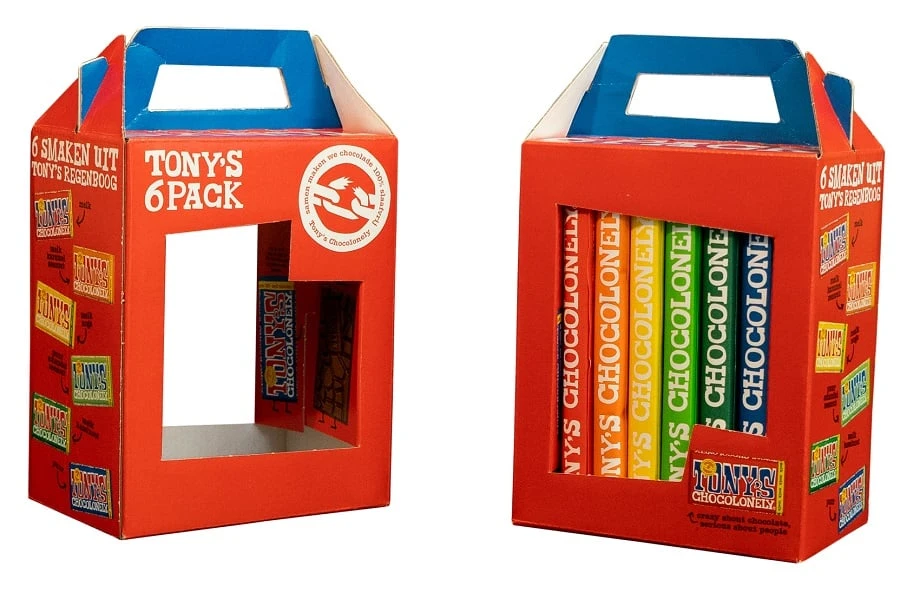
Source: https://www.dssmith.com/media/our-stories/2021/9/tonys-rainbowbox-new
We will design packaging that builds trust.

Classic vs. trendy packaging
Classic design provides a sense of security and continuity. Consumers often choose what is familiar.
Trendy packaging catches the eye and can generate virals (case: Oatly redesign). It works well for limited editions, collaborations, and seasonal series.
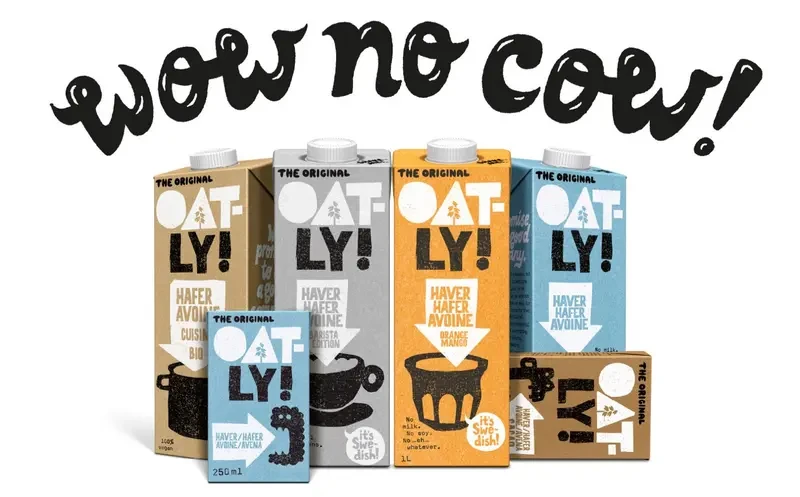
Source: https://www.forsman.com/work/oatly/
When to go with trends, and when with classics?
The decision depends on the brand strategy, target group, and market context. For a premium brand in the beauty segment, it is worth considering a timeless design with subtle references to current trends. For a foodtech startup, you can risk a viral, heavily pop-culture-infused design.
Remember: a design can be consciously seasonal, but it should be rooted in the brand's values.
How does packaging redesign affect brands?
Packaging designs bring not only aesthetics but also measurable results:
According to an Ipsos study from 2018, up to 72% of consumers agree that packaging design influences their purchasing decisions.
The Tropicana brand redesign in 2009 showed that change does not always bring benefits. The new packaging caused a drop in sales of 20% within 2 months.
Heinz packaging redesign in 2020 – simplifying the layout and unifying the appearance of products worldwide contributed to increased brand consistency and increased sales by 11% year-on-year in major markets. In addition, the brand recorded an improvement in the packaging recognition index by 12 percentage points.
Consciously utilizing trends is not a whim
It is an investment in the relevance and competitive advantage of the brand.
However, it is worth remembering: a trend is a tool, not an end in itself. Packaging design should be based on the brand's identity, not just on seasonal inspirations. The best results will come from consciously introducing trends – not as the main motif, but as accents that reinforce the message and make the brand current.
Every project is a strategic decision. That is why together we can analyze needs, budget, and goals to create packaging that will be not only fashionable but also effective.
Do you need a design that responds to a changing market but will be remembered?
Contact us – together we will design packaging that makes a difference.
https://www.dwell.com/article/who-decides-what-design-trends-will-dominate-each-year-be319c0c ↩︎
https://www.marketingdive.com/news/heinz-unifies-core-products-with-1st-master-brand-refresh/580072/ ↩︎