From an iconic brand to a desirable one
Branding
·
Strategy & Product
·
·
3 min


The days when brands were only expected to deliver a product are in the past. This is shown both by the concepts of Marketing 4.0, the emergence of the prosumer, and the driving force of the market – millennials. An additional challenge has become that the number of unique benefits for only one brand has begun to shrink, forcing companies to look for new ways to stand out from competitors. It is no wonder, then, that the main task of marketers has become giving products an emotional and cultural dimension.
In response to this need, new approaches to branding have emerged – understood broadly as the process of creating meanings, building image, and associations related to the brand. As Ries and Trout noted: "marketing is not a battle of products, but a battle of perceptions," and branding is an invaluable tool in this context.
Different paths of branding
Marketers strive to create strong and unique brands. Although intuitively it might seem that basing the entire process on cultural values would be the most effective, reality is more complex. The choice of branding path is influenced, among other things, by the product category, market position, target group, or competitor communication. The kind of brand we want to create in the eyes of the recipient – pragmatic, pro-consumer, or emotional – determines the choice of the appropriate approach.
Each type of branding is based on different values – functional, emotional, or cultural – and is associated with different pros and cons. The choice of path belongs to marketers and is a strategic decision.
Mind-share branding – the pragmatic brand
The oldest approach is mind-share branding, focused on building as many associations as possible based on functional values (USP). It creates pragmatic brands that communicate simple, rational benefits. Often, humor appears in their message, softening the dry pragmatism of communication.
Such brands are characterized by stability over time and independence from the social context. They still function – examples include Tesa or Scotch-Brite – but with the decline in popularity of communication based on USP, mind-share branding is losing its appeal, especially in the eyes of younger consumers.
/

Emotional branding – the pro-consumer brand
Another approach is emotional branding, which – alongside functionality – primarily highlights emotional values. Thanks to this, the brand stands out from pragmatic competition, offering recipients not only a product but also specific experiences and a lifestyle.
The consumer is no longer just a user here – they identify with a group, engage in dialogue with the brand, and can become its ambassador. Brands have a wide spectrum of values at their disposal: from energy (Belvita), through hedonism (Kinder Bueno), to family and safety (Volvo).
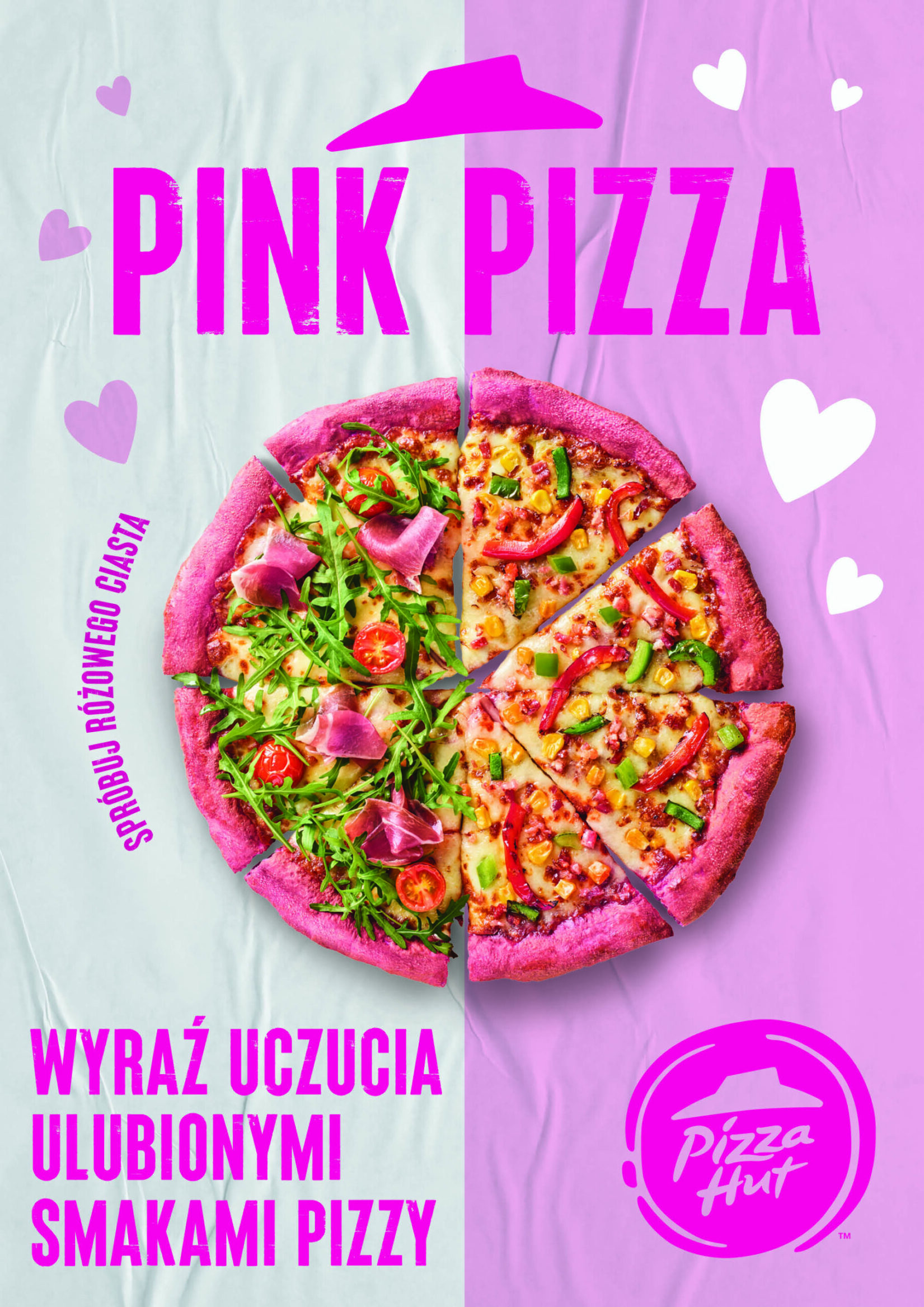
Brands built this way can evolve into so-called Lovemarks – a concept by Kevin Roberts (2004), defining brands to which consumers show exceptional loyalty and emotional attachment. This group includes, among others, Starbucks, Pizza Hut, and Victoria's Secret.
Cultural branding – the iconic brand
Douglas Holt proposed an even more demanding approach – cultural branding. It assumes that the brand becomes part of the culture, responding to social tensions and breaking stereotypes.
A good example is Dove, whose campaigns since 2004 have challenged the canon of female beauty. Similarly, Diesel – in its rebellious tone – celebrates imperfection and promotes equality.
Another strategy within cultural branding is transforming emotional values into cultural ones. Harley-Davidson built its brand around the idea of freedom, deriving it from the emotional need for independence. Milka, on the other hand, initially emphasizing the softness of the product, expanded its communication to a cultural value – tenderness.
Brands based on cultural branding stand out for their authenticity and strong mission, making them exceptionally charismatic. However, this does not mean they are always the only right path – valuable brands can be built just as effectively based on emotions, without involving the cultural context.

Summary
The key questions that marketers must answer are: what kind of brand do we want to create and on what values will we base its communication?
Emotional and cultural branding fit better into the expectations of modern consumers. However, it is worth remembering that in some categories, there is still a demand for pragmatic brands that emphasize rational benefits.